
Immediate Response When Disaster Strikes
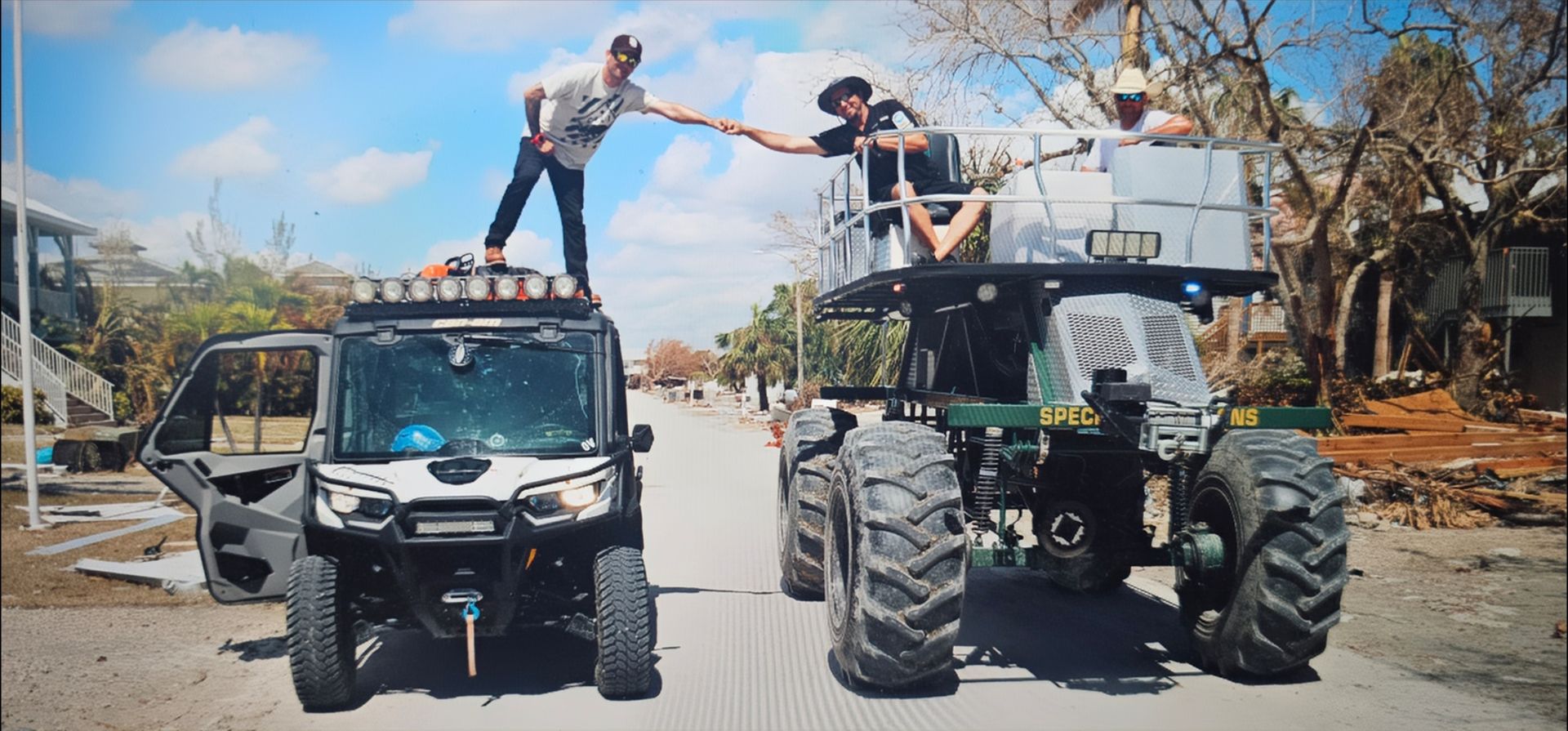
Ground Zero Disaster Response in Florida for structural collapse and emergency search operations
Craig's Handyman & Demolition provides Ground Zero Disaster Response in Florida for property owners, municipal agencies, and emergency management teams facing structural collapse, hurricane damage, or catastrophic building failures. You receive coordinated response teams equipped to stabilize debris fields, establish safe access corridors, and support search operations in environments where time and structural integrity determine survival outcomes.
This service deploys heavy equipment operators, structural shoring specialists, and logistics coordinators who work alongside fire rescue and law enforcement to clear pathways through collapsed structures, reinforce unstable walls and floors, and transport K-9 search units to areas where human entry poses excessive risk. Our teams operate under Incident Command System protocols, coordinating with local emergency managers to prioritize zones based on survivor likelihood, structural stability assessments, and access constraints unique to coastal storm surge zones and inland wind damage patterns common across Florida.
Reach out to discuss how our disaster response capabilities align with your emergency preparedness plans or immediate incident needs.
Coordinated Operations in High-Risk Collapse Zones
You initiate response by contacting our dispatch center, which activates crew leaders trained in confined space rescue support, debris stabilization, and victim extraction logistics. We arrive with track loaders, telehandlers, and shoring lumber sized for multi-story pancake collapses, establishing staging areas that allow K-9 teams and technical rescue squads to move through unstable rubble without triggering secondary collapse. Our operators create entry points by removing roof sections, cutting through reinforced concrete, and stabilizing floor joists that hang unsupported after wall failures.
After initial search phases conclude, you see cleared evacuation routes, shored void spaces where survivors were located, and debris sorted into categories that speed subsequent recovery operations. Structural elements identified as load-bearing remain braced with timber cribbing or hydraulic struts until engineering teams complete formal assessments.
Our teams carry air monitoring equipment to detect natural gas leaks, coordinate with utility crews to de-energize electrical services, and maintain communication with incident commanders through two-way radio systems that function when cellular networks fail. We do not perform medical treatment, victim extrication from confined spaces, or structural engineering assessments, but we create the stable access conditions those specialists require to perform their work safely.
Common Questions About Disaster Response Operations
Property owners and agency coordinators often ask how response teams deploy, what equipment arrives on-site, and how operations integrate with existing emergency management structures during active disaster scenarios.
Craig's Handyman & Demolition maintains response readiness for disaster scenarios across Florida, with equipment staged for rapid deployment and crew leaders trained in ICS coordination protocols. Contact us to discuss pre-positioning agreements, mutual aid arrangements, or immediate response needs following structural emergencies in your jurisdiction.