Rapid Response Relief Non Profit
Emergency disaster coordination, volunteer deployment, supply distribution, and recovery assistance nationwide.
After a disaster, communities face challenges that go beyond immediate rescue, including lack of clean water, food shortages, damaged homes, and overwhelmed local resources. Rapid Response Relief, a nonprofit, organizes emergency supply distribution, volunteer coordination, community outreach, and short-term recovery assistance to help neighborhoods in the United States stabilize and begin rebuilding.
The service connects affected residents with emergency supplies, coordinates volunteers to assist with debris removal and temporary repairs, and provides outreach to ensure vulnerable populations receive the support they need. You receive organized relief efforts that bridge the gap between disaster impact and long-term recovery programs.
If your community has been impacted by disaster or you want to support relief efforts, reach out to learn how Rapid Response Relief coordinates assistance nationwide.
How Relief Coordination Reaches Those Who Need It
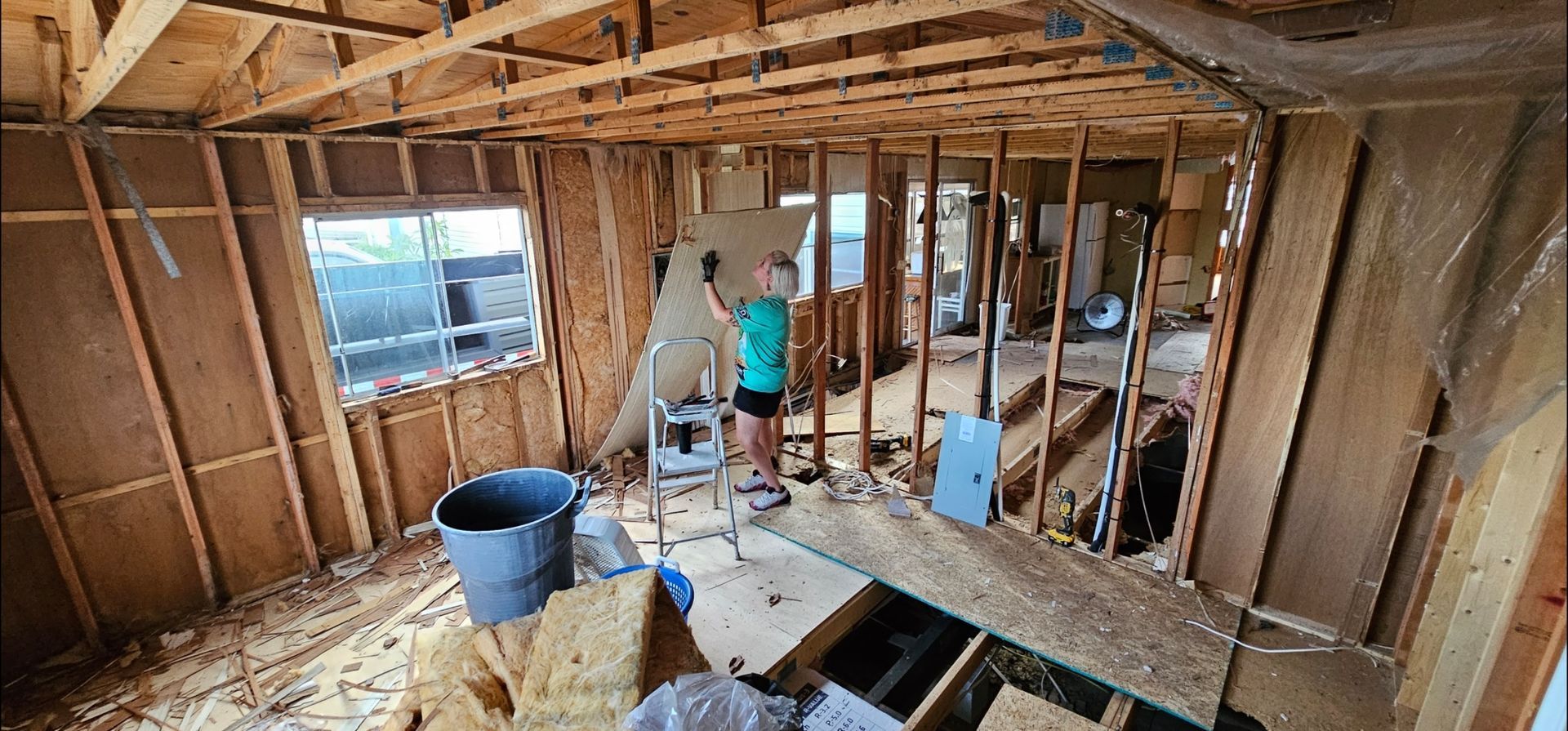
Relief operations start by assessing community needs, identifying distribution points, and mobilizing volunteers to deliver supplies and provide hands-on assistance. Throughout the United States, this includes setting up supply stations for water, food, and hygiene items, deploying volunteers to help clear debris from homes and driveways, and coordinating with local organizations to reach individuals who cannot travel to distribution sites.
After relief efforts are underway, you will see neighborhoods with restored access to essential supplies, homes cleared of initial storm debris, and vulnerable residents connected to services they need to remain safe. Volunteers work under coordination to ensure efforts are efficient and that help reaches those who need it most.
This service does not replace government assistance programs or provide long-term housing and financial recovery, but it does address urgent needs in the days and weeks following disaster when formal systems are still ramping up. The goal is to provide immediate, organized support that helps communities regain stability while longer-term recovery plans take shape.
Common Questions About Relief Operations
Residents and volunteers nationwide often want to know how to access help, what types of assistance are available, and how relief efforts are prioritized after a disaster occurs.
When disaster impacts the United States, Rapid Response Relief coordinates the emergency support that helps communities stabilize and begin recovery. Get in touch to access assistance, volunteer, or support relief operations in your area.